
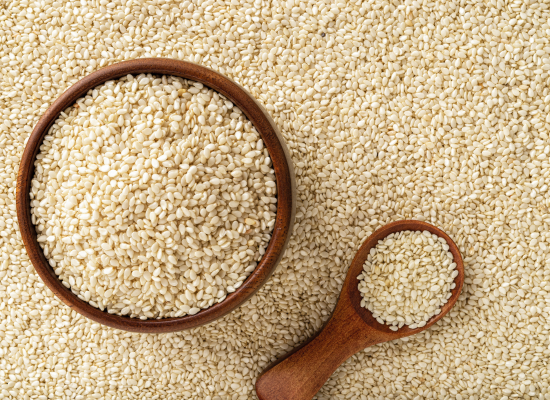
Grains are the foundation of global food consumption. From staple diets to processed food industries, grains play a vital role in meeting nutritional and commercial food requirements worldwide. India is one of the largest producers and exporters of grains, supplying premium-quality products to international markets.
A reliable Grains Supplier in Global Market ensures consistent quality, bulk availability, hygienic processing, and smooth export logistics. With growing global demand for food security and plant-based nutrition, the grain export industry continues to expand rapidly.
Importance of Grains in the Global Food Industry
Grains are a primary source of carbohydrates, protein, fiber, and essential nutrients. They are used in:
-
Daily household consumption
-
Food processing industries
-
Animal feed production
-
Flour milling
-
Bakery and snack manufacturing
As populations grow and food demand increases, countries rely heavily on trusted grain suppliers for bulk imports.
Major Types of Grains Supplied Globally
A professional grains supplier in the global market offers a wide variety of products including:
1. Rice
India is one of the world’s leading rice exporters. Premium varieties are widely consumed across Asia, the Middle East, Africa, and Europe.
2. Wheat
High-quality wheat is used for flour production, bakery products, and processed foods.
3. Maize (Corn)
Maize is exported for food processing, starch production, and animal feed industries.
4. Barley
Barley is used in brewing, food processing, and animal feed sectors.
5. Millets
With rising health awareness, millets are gaining popularity due to their nutritional benefits and gluten-free properties.
Leading Global Markets for Indian Grains
Indian grains are exported to major international markets. Some of the top importing countries include:
🌍 United Arab Emirates
The UAE is a major importer of rice, wheat, and other grains due to high consumption and re-export activities.
🌍 Saudi Arabia
Saudi Arabia imports large quantities of rice and wheat to meet domestic food demands.
🌍 Bangladesh
Bangladesh imports rice and wheat from India due to geographical proximity and strong trade relations.
🌍 Nepal
Nepal relies heavily on Indian grains for daily consumption and food security.
🌍 United States
The United States imports specialty grains and rice varieties for ethnic food markets and food processing industries.
Why Choose an Indian Grains Supplier in Global Market
1. Large Production Capacity
India’s diverse agro-climatic zones support large-scale cultivation of various grains throughout the year.
2. Competitive Export Pricing
Bulk production allows Indian exporters to offer competitive prices without compromising quality.
3. Strict Quality Control
Grains are cleaned, sorted, graded, and tested before export to meet international standards.
4. Advanced Processing & Packaging
Modern facilities ensure hygienic handling, moisture control, and safe packaging for long-distance transportation.
5. Efficient Export Infrastructure
Well-developed ports and streamlined documentation processes ensure timely shipments worldwide.
Quality Standards and Certifications
A trusted grains supplier in the global market follows international food safety and export standards such as:
-
FSSAI Compliance
-
ISO Certification
-
HACCP Standards
-
Phytosanitary Certification
-
SGS Inspection (if required)
Proper certification ensures smooth customs clearance and builds trust with international buyers.
Growing Global Demand for Grains
The global grain market is expanding due to:
-
Rising population growth
-
Increasing demand for staple foods
-
Expansion of processed food industries
-
Growing animal feed industry
-
Health awareness and preference for whole grains
Whole grains are increasingly popular due to their fiber content and nutritional value, supporting the trend toward healthier diets.
Export Process of Grains
The export process generally includes:
-
Sourcing from certified farmers
-
Cleaning and grading
-
Moisture testing
-
Quality inspection
-
Bulk packaging
-
Container loading and shipment
Reliable grains suppliers focus on maintaining consistent supply chains to meet international demand.
Sustainable Farming and Supply Chain
Many Indian exporters promote sustainable agricultural practices, ensuring:
-
Responsible sourcing
-
Reduced chemical residues
-
Fresh crop supply
-
Long-term farmer relationships
Sustainable sourcing improves product quality and enhances global market credibility.
Future Scope of Grains Export
The global demand for grains is expected to grow steadily due to food security concerns and expanding food industries. India remains a preferred supplier because of:
-
Large agricultural base
-
Government export support
-
Strong global trade network
-
Diverse grain varieties
A professional Grains Supplier in Global Market plays a critical role in fulfilling global food supply requirements.
Conclusion
India continues to strengthen its position as a leading grains exporter. A trusted grains supplier in the global market offers premium quality products, competitive pricing, and reliable export services.
With growing demand from countries like the United Arab Emirates, Saudi Arabia, Bangladesh, Nepal, and the United States, Indian grains remain a preferred choice worldwide.
Businesses seeking bulk grain imports can benefit from partnering with an experienced Indian supplier focused on quality, compliance, and timely global delivery.