
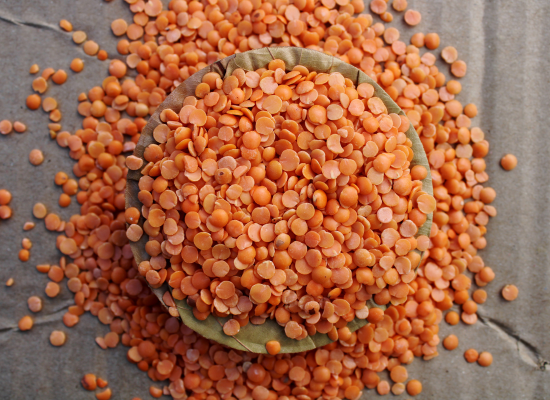
India is one of the world’s largest producers and exporters of pulses, supplying premium-quality lentils, beans, and peas to global markets. The demand for Indian pulses continues to grow due to consistent quality, competitive pricing, and strong agricultural infrastructure. Many countries rely heavily on pulses from India to meet their food processing, retail, and wholesale requirements.
This blog explores the most pulses importing countries from India and explains why these nations prefer Indian pulses for their domestic consumption and food industries.
India’s Strong Position in the Global Pulses Market
India plays a dominant role in the global pulses trade. With diverse climatic zones and advanced farming practices, the country produces a wide variety of pulses including:
-
Chickpeas (Chana)
-
Pigeon Peas (Toor Dal)
-
Lentils (Masoor Dal)
-
Green Gram (Moong Dal)
-
Black Gram (Urad Dal)
-
Kidney Beans (Rajma)
Indian pulses are widely appreciated for their natural taste, high protein content, and long shelf life. The country’s well-established processing units ensure proper cleaning, grading, and packaging according to international standards.
🌍 Most Pulses Importing Countries from India
1. 🇦🇪 United Arab Emirates
The United Arab Emirates is one of the leading pulses importing countries from India. The UAE serves as both a consumption market and a re-export hub to other Middle Eastern and African countries.
Why UAE imports pulses from India:
-
Large Indian and South Asian population
-
Strong demand for lentils and chickpeas
-
Strategic trade partnerships
-
High-quality processing standards
The food processing and hospitality sectors in Dubai and Abu Dhabi significantly contribute to the demand.
2. 🇺🇸 United States
The United States is another major importer of Indian pulses. With increasing demand for plant-based protein and vegetarian diets, Indian lentils and chickpeas are widely consumed.
Reasons for high imports:
-
Rising demand for vegan and protein-rich foods
-
Indian pulses used in ready-to-eat and packaged foods
-
Strong Indo-US trade relations
-
Consistent supply and competitive pricing
Indian pulses are commonly used in health food brands and ethnic food markets across the USA.
3. 🇨🇦 Canada
Although Canada is a pulse producer itself, it also imports specific varieties from India, particularly specialty lentils and pigeon peas.
Why Canada imports from India:
-
Growing multicultural population
-
Demand for diverse pulse varieties
-
Quality and grading standards
-
Bulk supply availability
Indian exporters provide customized packaging and labeling as per Canadian import requirements.
4. 🇦🇺 Australia
Australia imports pulses from India to meet domestic retail and ethnic food demands. Indian lentils and chickpeas are popular among Asian communities.
Key reasons:
-
Expanding Indian diaspora
-
Premium-grade lentils
-
Reliable export logistics
-
Competitive international pricing
5. 🇧🇩 Bangladesh
Bangladesh is a significant neighboring importer of Indian pulses. Due to geographical proximity, trade between the two nations is smooth and cost-effective.
Why Bangladesh prefers Indian pulses:
-
Similar dietary patterns
-
Quick transportation and low freight cost
-
Consistent quality supply
-
Long-standing trade relations
6. 🇳🇵 Nepal
Nepal imports a large quantity of lentils and chickpeas from India.
Reasons for imports:
-
Cultural and dietary similarities
-
Border trade advantages
-
Affordable pricing
-
Reliable delivery timelines
7. 🇸🇦 Saudi Arabia
Saudi Arabia has a growing demand for pulses due to expanding retail chains and food processing industries.
Why Saudi Arabia imports from India:
-
Halal-compliant processing
-
Bulk export capabilities
-
Competitive rates
-
High-quality cleaning and grading
Why Countries Prefer Indian Pulses
1. Superior Quality Standards
Indian pulses undergo advanced cleaning, sorting, and grading processes. Exporters follow international food safety standards, ensuring premium quality for global buyers.
2. Competitive Pricing
India offers cost-effective pulses without compromising on quality. Large-scale production helps maintain competitive international pricing.
3. Wide Variety of Pulses
India provides a diverse range of pulses suitable for multiple cuisines and food processing industries.
4. Strong Agricultural Base
Favorable climatic conditions and extensive farming areas support year-round pulse production.
5. Advanced Export Infrastructure
India has well-developed ports, logistics systems, and export documentation processes, ensuring timely deliveries.
Growing Global Demand for Indian Pulses
The global shift toward plant-based protein has significantly increased demand for pulses. Countries importing pulses from India rely on the nutritional benefits of lentils and beans, including:
-
High protein content
-
Rich fiber source
-
Low fat
-
Essential vitamins and minerals
The food processing industry uses Indian pulses in soups, snacks, ready meals, flour blends, and protein products.
Future Outlook of Pulses Export from India
The demand for pulses is expected to rise steadily due to:
-
Increasing vegan population
-
Expanding food processing industry
-
Growing awareness of plant-based nutrition
-
Strong trade agreements
India continues to strengthen its position as a leading global pulses supplier by adopting better farming practices, modern processing technology, and sustainable packaging solutions.
Conclusion
The most pulses importing countries from India include the United Arab Emirates, United States, Canada, Australia, Bangladesh, Nepal, and Saudi Arabia. These nations prefer Indian pulses due to consistent quality, competitive pricing, diverse varieties, and reliable supply chains.
With rising global demand for plant-based protein, Indian pulses will continue to dominate international markets. Exporters focusing on quality assurance, efficient logistics, and compliance with international standards are well-positioned to capture growing opportunities in global pulse trade.